
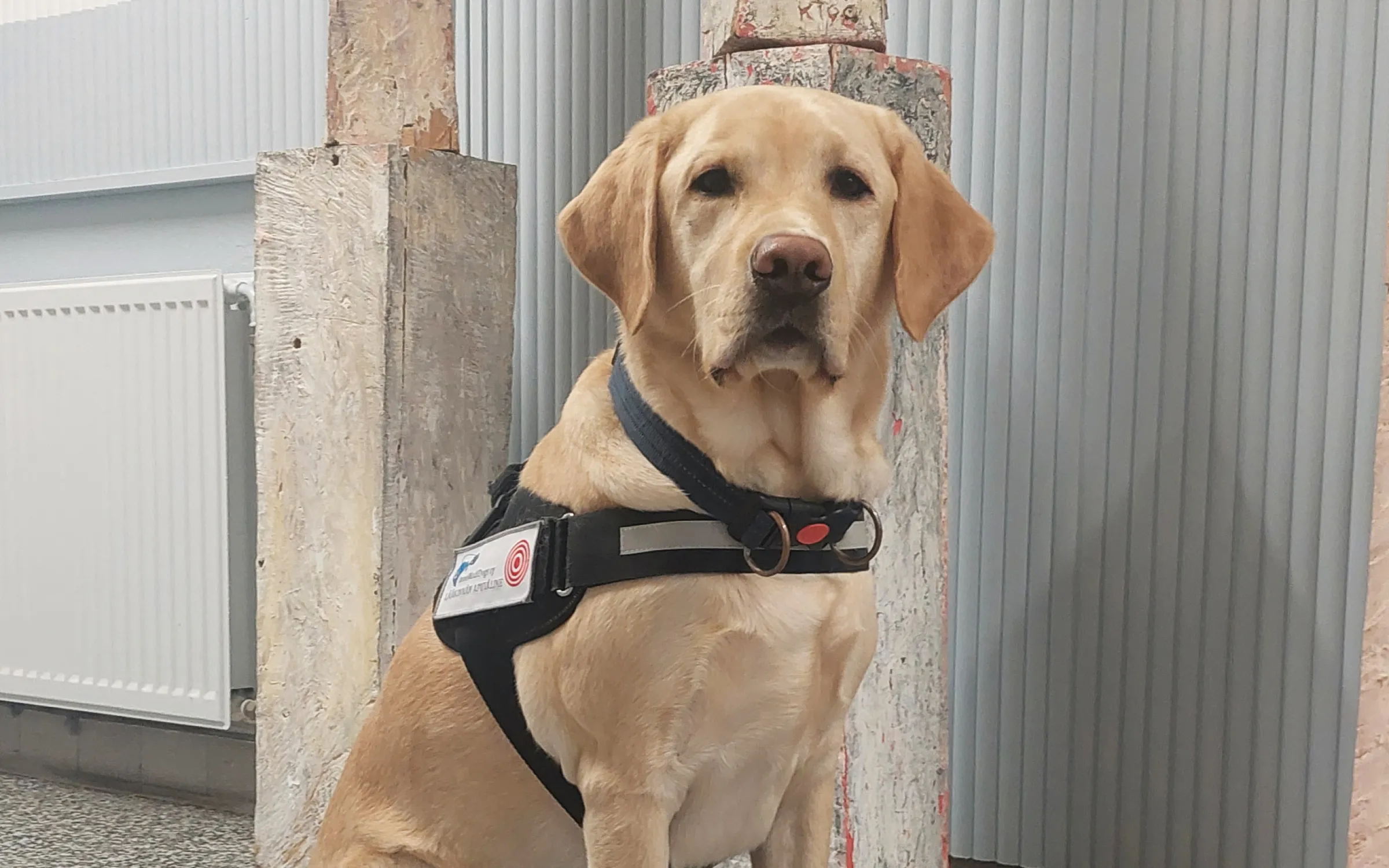
Learn about the fascinating world of scent dogs and their roles in society – join us for Scent Dogs in Society on 13 September 2026.
Scent Dogs in Society explores the world of scent dogs and their roles in society. This seminar delves into the science and practice of working dogs—covering scent detection, medical alert dogs, cognition, well-being, and the human-animal bond—through engaging research talks and a panel discussion.
The event is open to professionals, researchers, and the public. Participation is free. Registration is required, you can register here.
Location and registration
On-site: Main Building, University of Helsinki. (Limited capacity, places are filled in order of registration.)
Online: Online participation link by email. The link will be sent shortly before the event, not immediately after registration.
Registration is required. Please register using the link below.
Programme
Please find the programme below. The programme and topics are subject to change. Last updated 22 June 2026.
10:00 Opening Speech
Inka Hopsu, Member of Parliament
10:15 Developing new Detection Dog applications by using OSAC standard guidelines
Adee Schoon
11:00 Emotional Labour in Human–Dog Work
Tiamat Warda
11:45 Lunch
12:45 Co-Regulation in Human–Animal Interaction
Aija Koskela
13:30 Cognition and Resilience: Traits of a Successful Scent Detection Dog
Katriina Tiira
14:15 Implementation of K9 individualized Scent Discrimination Training
Ilkka Hormila
15:00 New Research in Focus: Short Presentations on Ongoing Medical Detection Dog Research
- Pia Siljamäki – Migraine Detection
- Petri Turtiainen – Fatigue Detection
- Ria Malminen – Detection of Equine Gastric Ulcers
- Nona Borgström – Chronic Pain Detection
15:40–16:00 Panel discussion with all speakers
Thank you!
All lectures are in English. The lecture hall is accessible.
Contact
For more information, please contact:
Nona Borgström
PhD researcher, University of Helsinki
nona.borgstrom(at)helsinki.fi
044 248 5105
